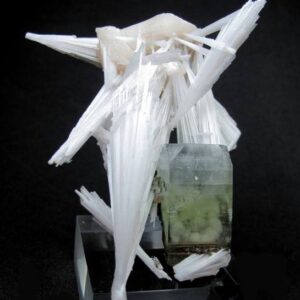
Description
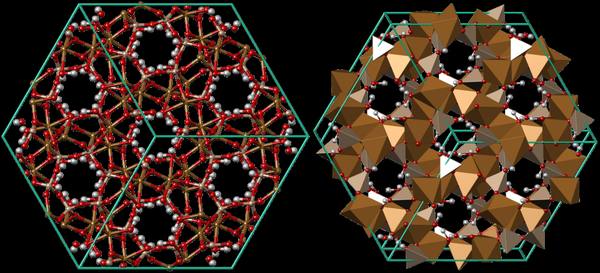
Collectors say that minerals are the universe’s autobiography, written in atoms. When dioptase was first brought to Europe in 1785, it was initially mistaken for emerald — the color is that intense. Namibia’s Tsumeb mine is the world’s greatest dioptase source, producing emerald-green crystals on white calcite that remain unsurpassed. The copper-silicate structure produces a color no other mineral quite replicates.
This specimen originates from Tsumeb, Namibia, one of the world’s most significant localities for this type of material. Collectors and scientists have drawn from this region for generations, and for good reason: the combination of geological conditions here produces specimens of exceptional quality and clarity.
Every specimen is unique. Photographs approximate the visual experience, but the real thing — its weight, its luster under a raking light, the way it catches the corner of your eye — can only be experienced directly.