Description
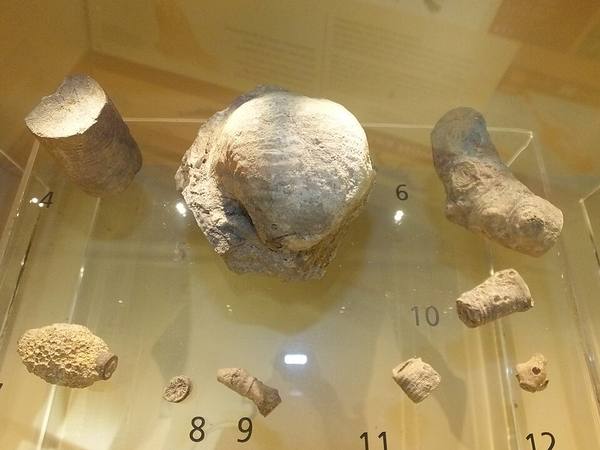
Every mineral is a story of chemistry, pressure, and patience. Crinoids — ‘sea lilies’ — are filter-feeding echinoderms that have existed for 480 million years. Their multi-jointed stems, when polished in cross-section, reveal a perfectly five-fold symmetric pattern that looks like a star or flower. Entire Mississippian limestone beds are composed of little else: a living carpet of these animals covered Paleozoic sea floors to horizon.
This specimen originates from Mississippian Formation, Indiana, USA, one of the world’s most significant localities for this type of material. Collectors and scientists have drawn from this region for generations, and for good reason: the combination of geological conditions here produces specimens of exceptional quality and clarity.
Every specimen is unique. Photographs approximate the visual experience, but the real thing — its weight, its luster under a raking light, the way it catches the corner of your eye — can only be experienced directly.