Description
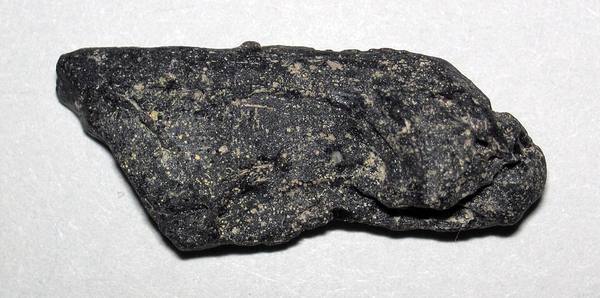
Every mineral is a story of chemistry, pressure, and patience. Darwin glass formed 816,000 years ago when a meteorite struck western Tasmania, creating a 1.2-kilometer crater. The glass — pale green, pale grey, white, and bubbly — was melted from local quartzite and dolerite. Unlike moldavite’s aerodynamic shaping, Darwin glass shows the chaos of a close-in explosion: twisted, vesicular, sometimes bubbly with trapped gas.
This specimen originates from Darwin Crater, Tasmania, Australia, one of the world’s most significant localities for this type of material. Collectors and scientists have drawn from this region for generations, and for good reason: the combination of geological conditions here produces specimens of exceptional quality and clarity.
Every specimen is unique. Photographs approximate the visual experience, but the real thing — its weight, its luster under a raking light, the way it catches the corner of your eye — can only be experienced directly.