Description
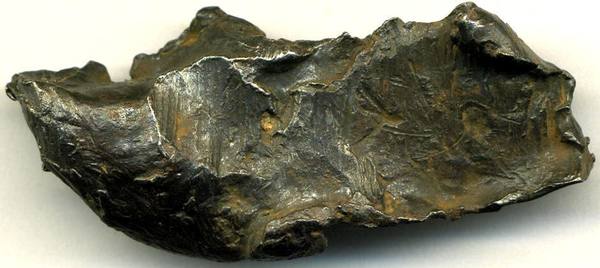
Science and beauty are rarely in conflict. Here they converge. On February 12, 1947, witnesses in the Sikhote-Alin mountains saw a fireball brighter than the sun at 10:38 AM. The iron meteorite fragmented as it decelerated, producing a shower of sharp, angular shrapnel individuals in 23 craters across 2 km². These regmaglypts — thumb-print-like depressions from atmospheric ablation — were literally sculpted by air molecules at 15 km/s.
This specimen originates from Sikhote-Alin Mountains, Primorsky Krai, Russia, one of the world’s most significant localities for this type of material. Collectors and scientists have drawn from this region for generations, and for good reason: the combination of geological conditions here produces specimens of exceptional quality and clarity.
Every specimen is unique. Photographs approximate the visual experience, but the real thing — its weight, its luster under a raking light, the way it catches the corner of your eye — can only be experienced directly.