Description
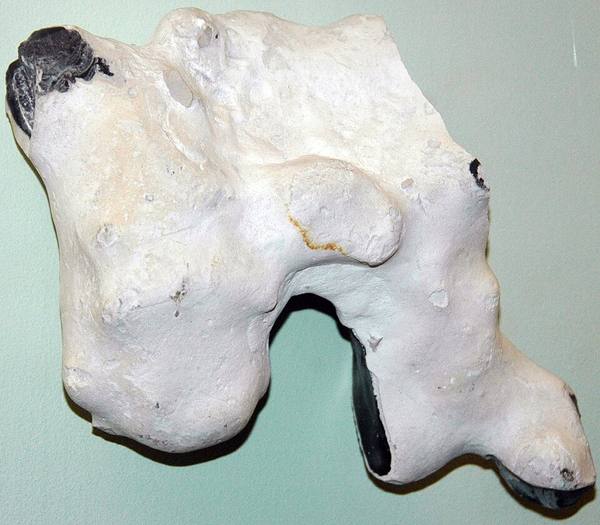
The rarest things on Earth were formed by the most ordinary processes, repeated for eons. Flint nodules grew within Cretaceous chalk as silica dissolved from sponge spicules and radiolarians was reprecipitated around organic nuclei. The result is a microcrystalline silica nodule with a smooth, cream to grey exterior and a waxy, conchoidal interior. Paleolithic humans depended on flint technology for 2 million years — its predictable fracture pattern is the geological foundation of human civilization.
This specimen originates from Cretaceous chalk, Sussex, England, one of the world’s most significant localities for this type of material. Collectors and scientists have drawn from this region for generations, and for good reason: the combination of geological conditions here produces specimens of exceptional quality and clarity.
Every specimen is unique. Photographs approximate the visual experience, but the real thing — its weight, its luster under a raking light, the way it catches the corner of your eye — can only be experienced directly.