Description
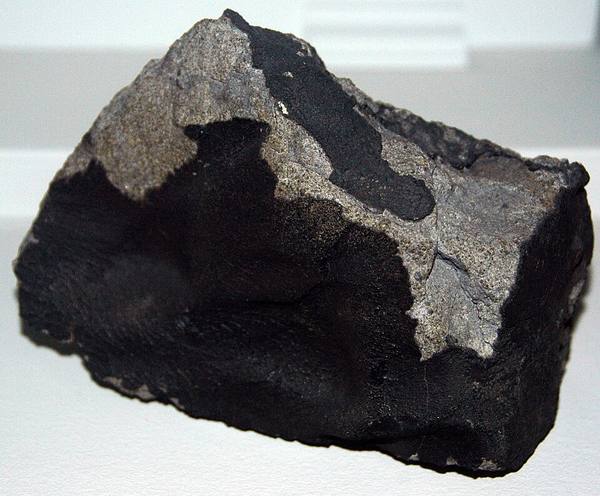
Consider what had to happen for this specimen to exist. Chondrites are the oldest solid matter in the solar system — 4.56 billion years old, predating Earth by 30–40 million years. Chondrules — spherical beads visible in a fresh cut — were flash-melted from nebular dust by poorly understood events in the solar nebula. The ‘L’ designation means low iron; the ‘4’ means moderate metamorphism. This is literal building material from the protoplanetary disk.
This specimen originates from Northwest Africa (NWA), one of the world’s most significant localities for this type of material. Collectors and scientists have drawn from this region for generations, and for good reason: the combination of geological conditions here produces specimens of exceptional quality and clarity.
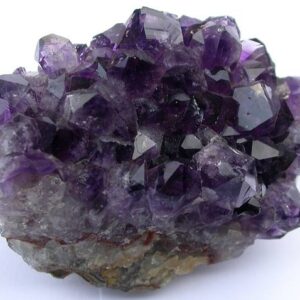
Every specimen is unique. Photographs approximate the visual experience, but the real thing — its weight, its luster under a raking light, the way it catches the corner of your eye — can only be experienced directly.