Description
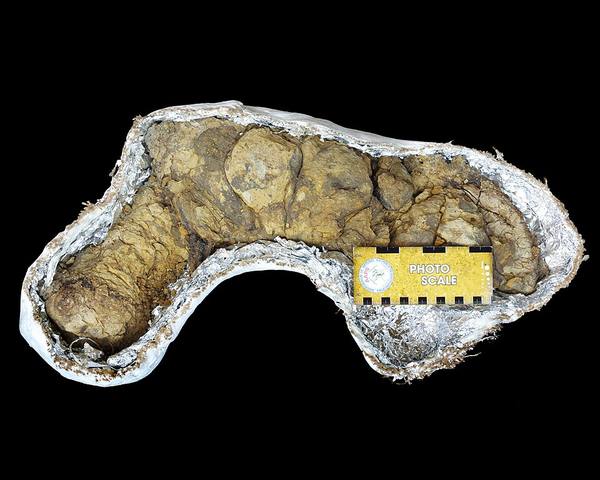
What looks like stone is, on closer inspection, frozen time. Coprolites are fossils of feces, and they are paleontology’s most underappreciated resource. Analysis of what was consumed (bone fragments, scales, feathers, plant material) tells us more about ancient diets than bones alone. Montana’s Judith River Formation (Cretaceous) yields coprolites from large theropods, identifiable by crushed bone content, size, and context.
This specimen originates from Judith River Formation, Montana, USA, one of the world’s most significant localities for this type of material. Collectors and scientists have drawn from this region for generations, and for good reason: the combination of geological conditions here produces specimens of exceptional quality and clarity.
Every specimen is unique. Photographs approximate the visual experience, but the real thing — its weight, its luster under a raking light, the way it catches the corner of your eye — can only be experienced directly.