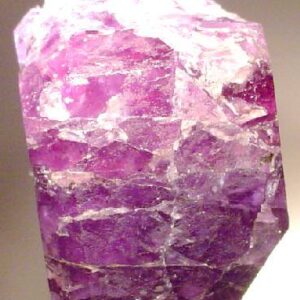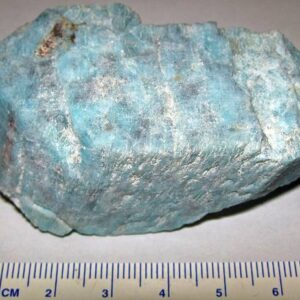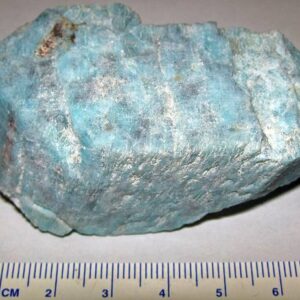
Dioptase Crystal Cluster — Cabinet Specimen

$540.89
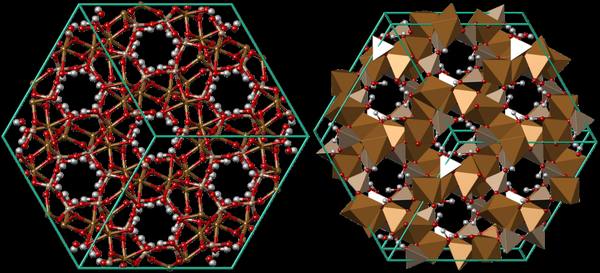
Chemical FormulaCuSiO₂(OH)₂
Crystal SystemTrigonal
Mohs Hardness5
Specific Gravity3.28–3.35
LusterVitreous
TransparencyTransparent to translucent

When dioptase was first brought to Europe in 1785, it was initially mistaken for emerald — the color is that intense. Namibia’s Tsumeb mine is the world’s greatest dioptase source,…

10 in stock

SKU: TC-MIN-0227
Category:
Tags: , ,

Description

Every mineral is a story of chemistry, pressure, and patience. When dioptase was first brought to Europe in 1785, it was initially mistaken for emerald — the color is that intense. Namibia’s Tsumeb mine is the world’s greatest dioptase source, producing emerald-green crystals on white calcite that remain unsurpassed. The copper-silicate structure produces a color no other mineral quite replicates.

This specimen originates from Tsumeb, Namibia, one of the world’s most significant localities for this type of material. Collectors and scientists have drawn from this region for generations, and for good reason: the combination of geological conditions here produces specimens of exceptional quality and clarity.

Every specimen is unique. Photographs approximate the visual experience, but the real thing — its weight, its luster under a raking light, the way it catches the corner of your eye — can only be experienced directly.
Formation

This specimen formed through geological processes operating over timescales that dwarf human history. The specific combination of chemistry, temperature, pressure, and time at this locality produced material of exceptional quality that makes it a valued addition to any serious collection.

Locality

Dioptase Crystal Cluster — Cabinet Specimen from Tsumeb, Namibia. This locality is known for producing specimens of exceptional quality.

Collector Notes

Display away from direct sunlight; some minerals fade under prolonged UV exposure.