Description
Science and beauty are rarely in conflict. Here they converge. Libyan desert glass — found in a 6,500 km² strewn field — is the purest natural silica glass on Earth. Its formation 29 million years ago involved temperatures exceeding 1600°C, suggesting an airburst or impact-generated thermal event so intense it flash-melted the Saharan sand. A carved Libyan desert glass scarab was found in Tutankhamun’s pectoral — ancient Egyptians recognized it as extraordinary.
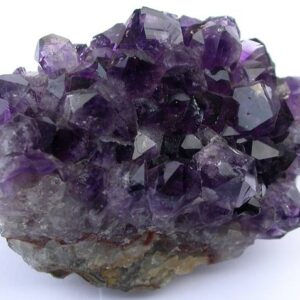
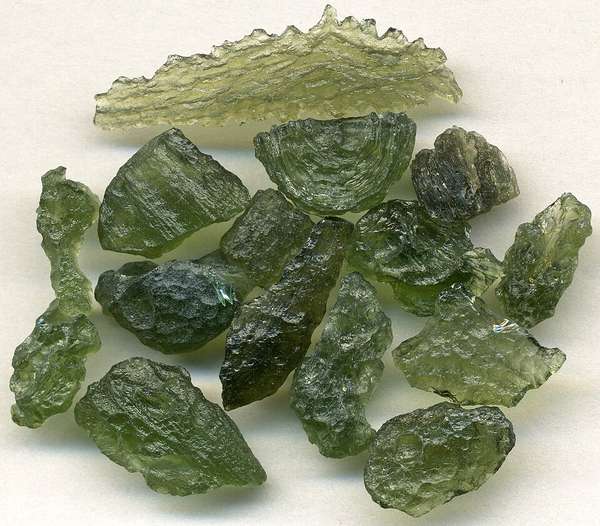
This specimen originates from Great Sand Sea, Libya/Egypt, one of the world’s most significant localities for this type of material. Collectors and scientists have drawn from this region for generations, and for good reason: the combination of geological conditions here produces specimens of exceptional quality and clarity.
Every specimen is unique. Photographs approximate the visual experience, but the real thing — its weight, its luster under a raking light, the way it catches the corner of your eye — can only be experienced directly.