Description
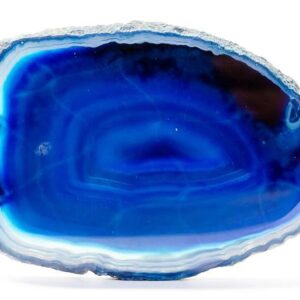
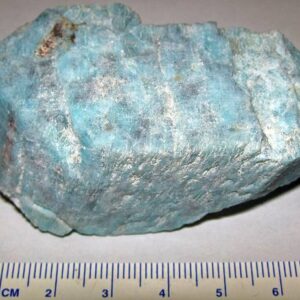
What looks like stone is, on closer inspection, frozen time. The floating blue glow — adularescence — is light scattering off alternating layers of orthoclase and albite feldspar. Sri Lankan moonstone has been prized since antiquity. Roman naturalist Pliny the Elder believed it formed from solidified moonbeams, which, poetically, is not entirely wrong.
This specimen originates from Dumbara District, Sri Lanka, one of the world’s most significant localities for this type of material. Collectors and scientists have drawn from this region for generations, and for good reason: the combination of geological conditions here produces specimens of exceptional quality and clarity.
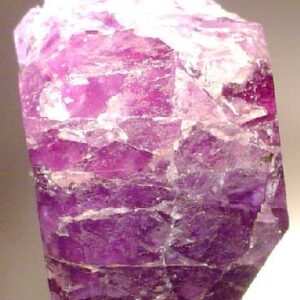
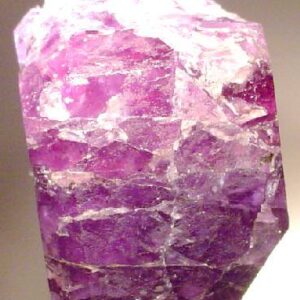
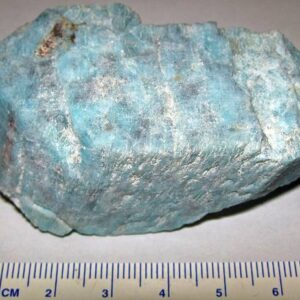
Every specimen is unique. Photographs approximate the visual experience, but the real thing — its weight, its luster under a raking light, the way it catches the corner of your eye — can only be experienced directly.