Description
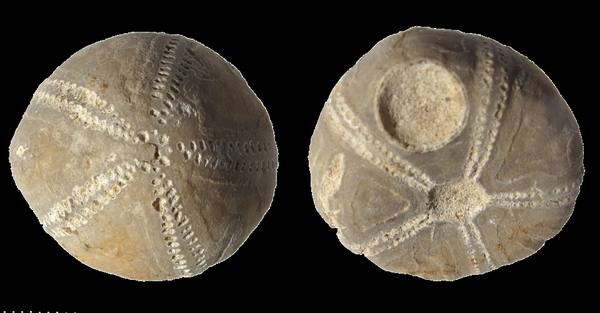
Every mineral is a story of chemistry, pressure, and patience. The white chalk of southern England — the White Cliffs of Dover — was deposited between 70–100 million years ago as a thick ooze of coccolithophore shells (single-celled algae) on a warm, shallow sea floor. Within it, heart urchins like Micraster were buried and preserved in three dimensions, their test intact. British farmers once called them ‘fairy loaves’ and placed them on hearths for luck.
This specimen originates from Chalk formation, Kent, England, one of the world’s most significant localities for this type of material. Collectors and scientists have drawn from this region for generations, and for good reason: the combination of geological conditions here produces specimens of exceptional quality and clarity.
Every specimen is unique. Photographs approximate the visual experience, but the real thing — its weight, its luster under a raking light, the way it catches the corner of your eye — can only be experienced directly.