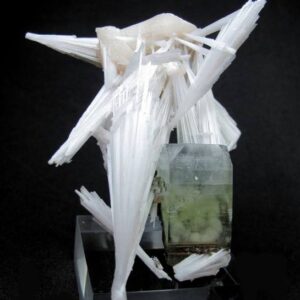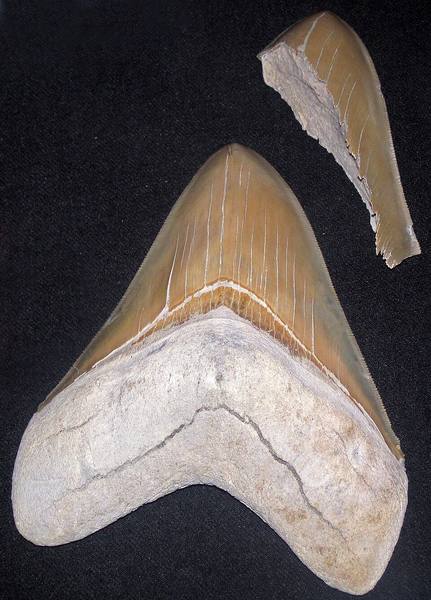
Description
Consider what had to happen for this specimen to exist. Lee Creek’s Miocene (5–20 million years ago) phosphate deposits are among North America’s richest fossil marine vertebrate sites. The sand tiger shark Odontaspis produced multi-rooted, needle-like teeth that formed in conveyor-belt succession — sharks shed and replace thousands of teeth in a lifetime. A cluster plate shows this biological abundance fossilized.
This specimen originates from Lee Creek Mine, North Carolina, USA, one of the world’s most significant localities for this type of material. Collectors and scientists have drawn from this region for generations, and for good reason: the combination of geological conditions here produces specimens of exceptional quality and clarity.
Every specimen is unique. Photographs approximate the visual experience, but the real thing — its weight, its luster under a raking light, the way it catches the corner of your eye — can only be experienced directly.