Description
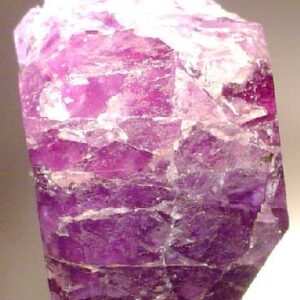
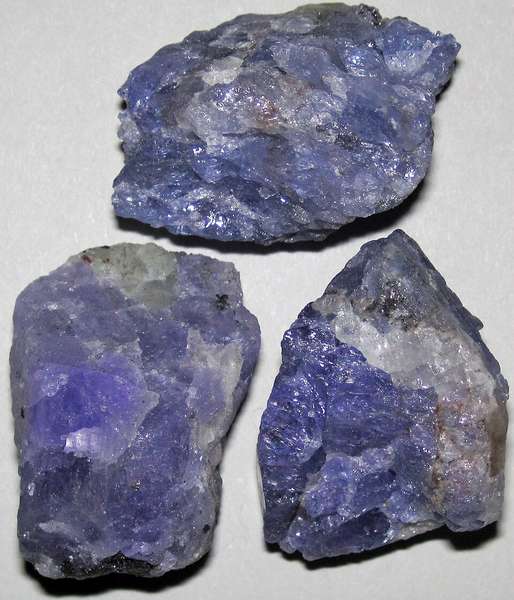
What looks like stone is, on closer inspection, frozen time. Tanzanite — blue-purple zoisite — was discovered in 1967, reportedly by a Maasai herder who noticed blue stones scattered by a lightning-caused brush fire. The heat had converted brown trichroic zoisite into the blue-purple we prize. An unheated natural crystal shows the raw trichroism: blue, purple, and burgundy shifting with viewing direction.
This specimen originates from Merelani Hills, Arusha, Tanzania, one of the world’s most significant localities for this type of material. Collectors and scientists have drawn from this region for generations, and for good reason: the combination of geological conditions here produces specimens of exceptional quality and clarity.
Every specimen is unique. Photographs approximate the visual experience, but the real thing — its weight, its luster under a raking light, the way it catches the corner of your eye — can only be experienced directly.